
 |
|
||||||||||||



 |
 |
 |
 |
|||
Body Image and Eating Disorders |
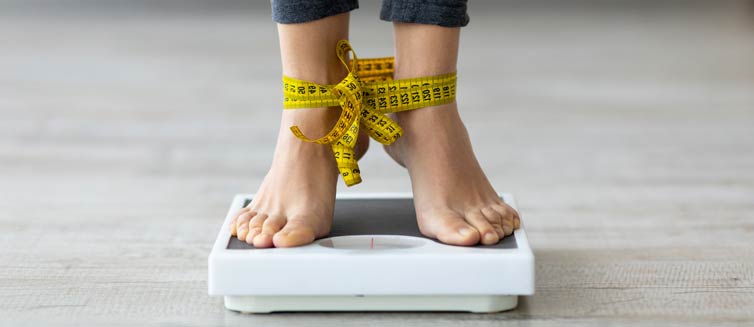 |
Body Image and Eating Disorders: How Does Body Image Shape the Way You Feel and Eat? |
Your body image influences more of your well-being than you might realize; not only does it shape what you eat, but how you think, feel and show up in the world. From a young age, many of us internalize messages about what bodies “should” look like. Over time, those expectations can quietly influence our confidence, behaviors and overall well-being. How to See Your Body Neutrally/Positively
Building a healthier relationship with your body doesn’t mean always loving how you look every day — it can start with being more neutral in how you speak to yourself and about your body. Such as:
How Body Image Influences Your Thoughts and Actions
These thoughts can influence your behaviors like dieting, exercise or trying new wellness trends — sometimes in healthy ways, but sometimes not. Often, the behaviors we adopt trying to become healthier can become rigid, overwhelming or harmful when they’re driven by negative thoughts about our bodies. When Negative Body Image Begins to Impact Your Well-being
Recognizing these patterns early is an important step toward improving well-being and seeking support when needed. Understanding Eating Disorders
“Eating disorders are complex, biologically influenced illnesses that affect an estimated 28.8 million Americans in their lifetime,” explains Hayley Flott, PDRMA Wellness Consultant, “and can have significant impacts on both physical and mental health.” Such disorders are often connected to mental health challenges such as anxiety, depression and obsessive-compulsive tendencies. They can also impact overall health and even make it harder to receive accurate medical care. You Don’t Have to Navigate This Alone
If you or someone you care about is struggling with body image or eating habits, support is available, and reaching out is a positive first step. Connecting with a healthcare provider or a PATH Health Coach can help you build a healthier, more balanced relationship with food and your body. Helpful Resources If you’d like to learn more or take action, these resources can help: |
 If you don’t see your body in a neutral or positive way, you might be comparing yourself to an ideal that may not be realistic — or healthy. Struggles with body image may include:
 The way you view your body can influence how you feel, and those feelings can shape your thoughts and behaviors over time. You might find yourself wondering:
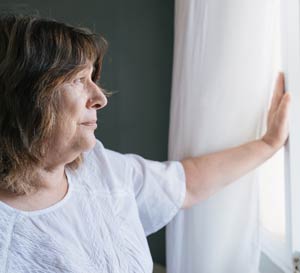 Over time, ongoing negative thoughts and behaviors related to body image can feel overwhelming and become difficult to manage. When that happens, those thoughts can impact both your mental and emotional health. Some people may:
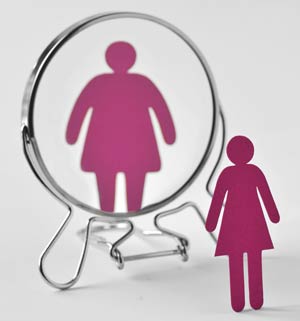 Not all unhealthy eating habits are clinical eating disorders, but some can develop into more serious conditions. “Disordered eating” may include irregular eating patterns or food-related rules, whereas eating disorders — such as anorexia, bulimia or binge eating — are more severe and can significantly impact daily functioning and health.
 “Reaching out for support can feel challenging, but there is no shame in asking for help when it comes to your mental and emotional well-being,” explains Hayley Flott.