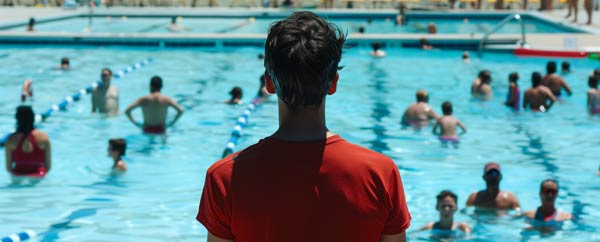
Building a Safer Aquatic Season Starts Now
Are your pools, water slides and splash pads ready for hot-weather crowds to arrive?
Aquatic season begins soon — so start your agency’s preseason prep now to ensure everyone’s safety.
 A thorough spring inspection helps you identify and correct issues before opening day — when everyone will be busy, facilities will host crowds and small oversights can quickly become serious incidents. Each step in the prep process plays a critical role in protecting both patrons and staff. A thorough spring inspection helps you identify and correct issues before opening day — when everyone will be busy, facilities will host crowds and small oversights can quickly become serious incidents. Each step in the prep process plays a critical role in protecting both patrons and staff.
Aquatics Safety, Step by Step
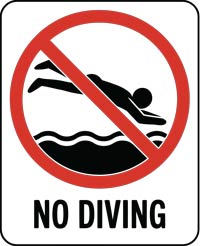 Step One: Post clear, visible signage — It's one of the first lines of defense in aquatic safety. Posting and maintaining legible depth markers, “no diving” warnings, water slide instructions, Illinois Department of Public Health (IDPH) facility rules, bather load limits and parental supervision notices ensure patrons understand expectations and risks. When signage is missing or unclear, unsafe behavior is far more likely. Resources like the IDPH Pool Code and PDRMA’s Aquatic Safety Handbook (507) help ensure compliance and consistency. Step One: Post clear, visible signage — It's one of the first lines of defense in aquatic safety. Posting and maintaining legible depth markers, “no diving” warnings, water slide instructions, Illinois Department of Public Health (IDPH) facility rules, bather load limits and parental supervision notices ensure patrons understand expectations and risks. When signage is missing or unclear, unsafe behavior is far more likely. Resources like the IDPH Pool Code and PDRMA’s Aquatic Safety Handbook (507) help ensure compliance and consistency.
Step Two: Keep your required safety equipment available and fully operational — Rapid response tools such as shepherd’s hooks, ring buoys and emergency phones are literal life savers. Features like self-closing and self-latching gates help prevent young patrons from leaving wading pools and accessing deeper water. When seconds count, missing, inaccessible or broken equipment can turn an emergency into a disaster.
Step Three: Inspect aquatic structures and equipment — Check water slides, diving boards, ladders, lifeguard chairs and other features directly tied to patron safety. These high-use devices are prone to wear or damage that can lead to injuries if you don’t stay on top of repairing and replacing them before you open your facilities.
 Step Four: Conduct vision screenings — Setting up your lifeguard vision screening account with Vizual Edge should be part of your preseason staff prep, too. Strong visual skills are critical for effective surveillance, and conducting lifeguard vision screenings ensures they’ll be ready to recognize and respond to distressed swimmers quickly. Step Four: Conduct vision screenings — Setting up your lifeguard vision screening account with Vizual Edge should be part of your preseason staff prep, too. Strong visual skills are critical for effective surveillance, and conducting lifeguard vision screenings ensures they’ll be ready to recognize and respond to distressed swimmers quickly.
Step Five: Update operational manuals — Outdated procedures can lead to inconsistent responses or confusion among staff. Keep your operational manuals accurate to ensure everyone is on the same, up-to-date, page.
Step Six: Ensure Safety Data Sheets (SDS) are current and accessible — These documents provide critical information for handling chemicals safely and responding to exposures. Current sheets help ensure the safety of staff working directly with potentially hazardous materials.
Step Seven: Review chemical handling and storage protocols. Proper storage, labeling and handling procedures reduce the risk of chemical reactions, spills or exposure — protecting both staff and facility users.
A proactive approach to aquatic safety not only reduces risk but also builds confidence among staff and patrons, helping to ensure your agency can enjoy an incident-free aquatic season.
PDRMA Resources
|