
 |
|
||||||||||||



 |
 |
 |
 |
|||
Blueprint Your Wellness! |
 |
Blueprint Your Wellness! |
Every great building begins with a blueprint. So when it comes to designing the life that you want, creating a blueprint is the best place to start. PATH 2026 offers a targeted blend of information and activities to help you build your personal wellness blueprint. “You can create a wellness plan in a way that fits your specific health goals and will last throughout your life,” says Hayley Flott, PDRMA Wellness Consultant. “And this year, we break it down into four parts to make it easier to follow.”
During the first quarter of 2026, we’ve been talking about Blueprinting Your Foundation by gaining an understanding of your values, habits and mental readiness. In the second quarter, we focus on Blueprinting Your Energy and Resilience by fueling your body through nutrition, sleep, mental health and movement. In the third quarter, we’ll target Blueprinting Your Place in the World through work-life balance and managing your role(s) and boundaries. Finally, in the last quarter, we'll devote time to Blueprinting Your Fulfillment through connections and joy. Your Foundation — Your Plan Every strong structure needs a solid foundation upon which to build. So your wellness foundation — your blueprint — should include an honest self-assessment as well as a clear understanding of your values and goals. A little reflection can point you in the right direction to achieve the lifestyle you want. Remember that “wellness” is not just one thing; it includes six different areas. Six Dimensions of Wellness Think about your wellness as consisting of six specific dimensions.
At different points in our lives, we may be stronger in some areas and not as strong in others. It’s important to remember this journey isn't linear. When you find yourself revisiting specific area or refining habits you thought you had solidified, remember that those moments aren't signs of failure. They are opportunities to strengthen your foundation and adapt your blueprint to the person you are today. PATH Resources
|
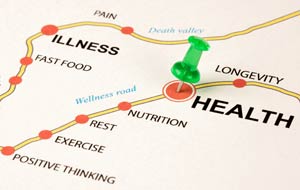 Four Key Components
 Emotional Wellness — Understand and respect your feelings, values and attitudes while managing daily stresses of life with resilience. Ask yourself: Do I feel positive and enthusiastic about my life?
 Goal of a Healthy Life